

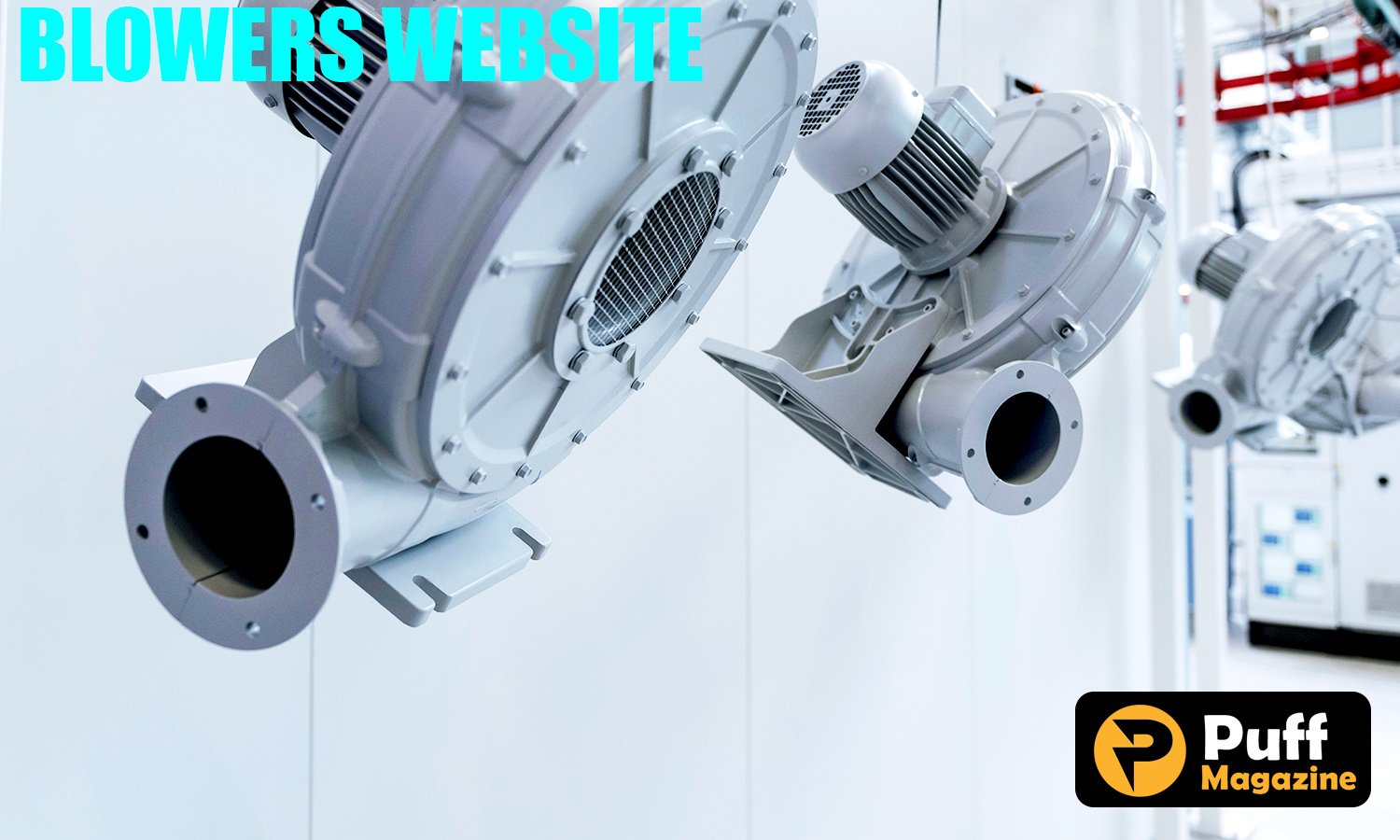
Blowers cover a surprisingly wide range of equipment, from the leaf blower sitting in a garden shed to the large industrial systems that keep manufacturing plants, wastewater treatment facilities, and HVAC systems running. This guide walks through the main categories of blowers, what each type is actually built for, and the practical factors worth checking before buying one, whether the need is a weekend garden tool or equipment for a commercial or industrial application.
What Counts as a Blower?
A blower is any mechanical device designed to move air or gas from one place to another, using a fan, impeller, or similar mechanism to generate airflow at a specific pressure and volume. The category spans an enormous range of scale, from small handheld consumer tools to large industrial systems processing thousands of cubic feet of air per minute.


Consumer blowers, the kind most people encounter directly, are primarily garden and outdoor maintenance tools, covering leaf blowers and snow blowers designed for clearing debris or snow from residential or commercial outdoor spaces.
Industrial and commercial blowers serve a very different purpose, supplying controlled airflow for processes such as manufacturing, drying, cooling, material handling, and aeration in wastewater treatment, applications where the volume, pressure, and consistency of airflow matter far more than portability or ease of use.
Understanding which broad category applies to your specific need is the essential first step, since the buying considerations, terminology, and typical price range differ enormously between a consumer garden tool and an industrial process blower.
Main Types of Industrial and Commercial Blowers
Industrial blower systems generally fall into three main categories, and understanding the difference is important for selecting equipment that actually matches a specific application’s requirements.
Centrifugal blowers use a rotating impeller to move large volumes of air at relatively low pressure, making them well suited to applications such as HVAC systems and general ventilation, where moving a large amount of air efficiently matters more than generating high pressure.
Positive displacement blowers, including rotary lobe and screw designs, deliver a more consistent airflow regardless of changes in system pressure, a characteristic that makes them well suited to applications such as pneumatic conveying, where the process depends on steady, predictable air delivery even as conditions change.
Regenerative blowers are more compact and efficient, particularly well suited to applications requiring clean, oil free air, such as certain manufacturing processes, aquaculture aeration, or pneumatic applications where air purity is a genuine requirement rather than a secondary consideration.
Selecting between these types depends on the specific combination of airflow volume, pressure requirement, and environmental conditions the equipment needs to handle, which is why matching the blower type to the actual application matters considerably more than simply choosing based on price or general reputation alone.
Consumer Leaf and Garden Blowers
For home and garden use, leaf blowers represent the most common consumer blower category, and understanding the practical differences between the main types helps with choosing equipment suited to a specific property size and use pattern.
Gas powered leaf blowers generally offer the most power and are often preferred for larger properties or more demanding clearing tasks, though they come with meaningfully higher noise levels, ongoing fuel costs, and emissions considerations compared with electric alternatives.
Corded electric leaf blowers offer a lighter, quieter, and lower maintenance option well suited to smaller properties, with the trade off of being tethered to a power outlet, which limits range and manoeuvrability compared with a battery powered or gas option.
Battery powered leaf blowers have improved considerably in recent years, offering a reasonable middle ground between the power of gas models and the lower noise and maintenance of electric options, though battery life and charging time remain practical considerations for larger properties or extended use sessions.
Noise regulations increasingly affect leaf blower use in many areas, with a growing number of municipalities restricting gas powered leaf blower use, particularly during certain hours or in residential areas, making it worth checking local regulations before purchasing, particularly for gas powered equipment intended for regular, ongoing use.
Snow Blowers for Residential and Commercial Use
Snow blowers follow a broadly similar categorisation to leaf blowers in terms of power source, alongside a further distinction based on mechanical design that significantly affects performance in different snow conditions.
Single stage snow blowers use a single auger to both collect and throw snow, generally suited to lighter snowfall on paved surfaces, offering a lighter, more manoeuvrable option for smaller properties with moderate snow accumulation.
Two stage snow blowers use a separate auger and impeller system, giving them the power to handle heavier, wetter snow and larger accumulation depths, making them better suited to larger properties, gravel surfaces, or regions with consistently heavy snowfall.
Three stage snow blowers add a further accelerator stage to the two stage design, offering the fastest clearing speed for the heaviest, most demanding snow conditions, typically at a correspondingly higher price point aimed at commercial or particularly snow heavy residential use.
As with leaf blowers, power source, gas, corded electric, or battery, affects the trade off between raw power and lower noise, maintenance, and running costs, with the right choice depending heavily on typical snowfall volume and the size of the area that needs clearing.
Key Factors to Check Before Buying Any Blower
A handful of practical considerations apply across most blower purchases, whether the equipment in question is a consumer garden tool or an industrial process blower.
Airflow and pressure requirements should be assessed based on the specific task at hand, since both undersized and oversized equipment create problems, undersized equipment fails to perform the task effectively, while oversized equipment wastes energy and, for industrial applications, can create unnecessary system stress.
Noise levels matter for both consumer and commercial equipment, particularly given the growing number of local noise ordinances affecting gas powered garden equipment specifically, making it worth checking a specific model’s decibel rating against any relevant local regulations before purchasing.
Energy efficiency is a significant, ongoing cost factor for industrial blowers in particular, since these systems often run continuously or for extended periods, making the difference between an efficient and inefficient model meaningfully significant over the equipment’s operating lifetime.
Environmental operating conditions, including temperature, humidity, and the presence of dust, moisture, or corrosive materials, affect which specific blower design and materials are appropriate for industrial applications, a consideration best evaluated with reference to the equipment manufacturer’s specifications for the intended environment.
Safety Considerations for Blower Equipment
Safety considerations differ significantly between consumer and industrial blower equipment, and understanding the relevant precautions for each category matters for anyone purchasing or operating this kind of equipment.
For consumer garden equipment, standard precautions include appropriate eye and ear protection, particularly for gas powered models generating higher noise levels, along with careful attention to the manufacturer’s guidance on safe operation around bystanders, pets, and loose debris that could be thrown at speed.
For industrial and commercial blower systems, safety considerations are considerably more extensive, often governed by workplace safety regulations covering equipment guarding, electrical safety, and safe operating procedures. The Occupational Safety and Health Administration publishes detailed guidance relevant to industrial equipment safety in the United States, a useful reference point for any business operating this kind of equipment.
Regular maintenance, including checking for worn components, proper lubrication where applicable, and following manufacturer recommended service intervals, matters significantly for both consumer and industrial equipment, both for safe operation and for getting the expected operating lifetime out of the equipment.
Understanding Blower Sizing and Specifications
Getting the sizing right is one of the most common areas of confusion for anyone buying a blower for the first time, whether for a home project or a commercial application, and understanding the key specification terms helps avoid a costly mismatch.
Cubic feet per minute, commonly abbreviated as CFM, measures the volume of air a blower moves over time, and is the primary specification for comparing airflow capacity between different models. A higher CFM rating means the blower can move more air, which matters for tasks like clearing larger areas quickly or supplying sufficient air for a larger industrial process.
Static pressure, measured in inches of water column for many industrial applications, indicates how much resistance a blower can overcome while still delivering its rated airflow, a critical specification for any application involving ducting, filters, or other airflow restrictions that create resistance the blower must work against.
Miles per hour, the specification most commonly seen on consumer leaf blowers, measures air velocity rather than volume, which is why two leaf blowers with similar CFM ratings can feel quite different in practical use depending on their respective air velocity figures.
For industrial applications specifically, matching a blower’s CFM and pressure specifications to the actual system requirements, rather than simply selecting the most powerful available option, both avoids unnecessary energy costs and reduces the risk of a blower operating outside its efficient performance range, a mismatch that can also shorten equipment lifespan.
Maintenance and Longevity Considerations
Proper maintenance significantly affects how long any blower, consumer or industrial, continues to perform reliably, and understanding the basics helps protect what is often a meaningful equipment investment.
For consumer leaf and snow blowers, routine maintenance typically includes checking and replacing air filters, ensuring proper lubrication of moving parts where the manufacturer specifies it, and for gas models, using fresh fuel and following the manufacturer’s guidance on fuel stabilisation for seasonal storage between uses.
For industrial blower systems, maintenance schedules are typically more structured, often following the equipment manufacturer’s specific recommended service intervals, covering bearing lubrication, belt tension where applicable, and periodic inspection for wear on components exposed to the specific operating environment, particularly in applications involving dust, moisture, or corrosive materials.
Vibration and unusual noise are generally reliable early indicators of a developing mechanical problem in blower equipment, and addressing these signs promptly, rather than waiting for a complete failure, typically proves considerably less costly than emergency repairs or full equipment replacement.
Keeping equipment clean, particularly intake areas where debris or dust can accumulate and restrict airflow, is a simple but often overlooked maintenance step that meaningfully affects both performance and equipment lifespan across essentially every category of blower equipment.
Environmental and Regulatory Considerations
Beyond noise regulations already covered, a few further environmental and regulatory factors are worth understanding, particularly for anyone purchasing gas powered consumer equipment or industrial blower systems.
Emissions standards for gas powered small engines, including many leaf blower and snow blower models, are subject to regulation in many jurisdictions, with some regions moving toward stricter standards or outright restrictions on gas powered garden equipment specifically, a trend worth being aware of when making a longer term purchasing decision.
Industrial blower systems, particularly those used in applications involving air quality management or emissions control, may be subject to specific regulatory requirements depending on the industry and jurisdiction, making it worth confirming any relevant compliance requirements with the equipment manufacturer or a qualified engineer before finalising a purchase for a regulated industrial application.
Energy efficiency standards and available incentive programmes sometimes apply to larger industrial blower purchases specifically, with some utility providers or government programmes offering rebates for equipment meeting certain efficiency thresholds, an avenue worth investigating for any significant industrial equipment purchase where the upfront cost is a meaningful consideration for the business making it.
Checking with the equipment supplier directly about available rebate or incentive programmes at the time of purchase is generally more reliable than searching independently, since eligible programmes and thresholds change relatively often as efficiency standards and regional energy policy continue to evolve.
Conclusion
Blower equipment spans an enormous practical range, from a simple handheld garden tool to large industrial systems supporting manufacturing and wastewater treatment processes. Matching the specific type, whether centrifugal, positive displacement, or regenerative for industrial use, or gas, electric, or battery powered for consumer garden equipment, to the actual task at hand matters considerably more than choosing based on price or general brand reputation alone.
Checking noise regulations, energy efficiency, and relevant safety requirements before purchasing rounds out a sensible buying process, whether the equipment in question is intended for a weekend garden task or an ongoing industrial process. Taking the time to match equipment specifications to the actual application remains the most reliable way to get genuinely suitable, safe, and cost effective equipment that performs well for years to come.
Frequently Asked Questions
What is the difference between a centrifugal and a positive displacement blower?
Centrifugal blowers move large volumes of air at relatively low pressure and suit applications like HVAC and general ventilation, while positive displacement blowers deliver consistent airflow regardless of pressure changes, suiting applications like pneumatic conveying.
Should I choose a gas or electric leaf blower?
Gas leaf blowers generally offer more power for larger properties but come with higher noise and emissions, while electric and battery powered models offer lower noise and maintenance, suited to smaller properties and areas with noise restrictions.
What is the difference between single stage and two stage snow blowers?
Single stage snow blowers suit lighter snowfall on paved surfaces, while two stage models handle heavier, wetter snow and larger accumulation, making them better suited to larger properties or regions with consistently heavy snowfall.
Why does noise level matter when buying a blower?
A growing number of municipalities restrict gas powered leaf blower use, particularly gas models, during certain hours or in residential areas, making it worth checking local noise regulations before purchasing.
What safety precautions apply to industrial blower equipment?
Industrial blower safety generally involves equipment guarding, electrical safety, and following workplace safety regulations, with organisations such as OSHA publishing detailed guidance relevant to safely operating this kind of equipment.
Explore the latest and discover what’s ahead at Puff Magazine
See task progress for longer tasks.crew-cloudysocial-guide.mdvocalnewsmedia-com-guide.mdgamificationsummit-xendit-work-guide.mdfangchanxiu-com-guide.mdbackstageviral-com-guide.mdcelestron-edgehd-9-25-guide.mdcilxarhu677-moisturizer-guide.mdgel-ooru-guide.mdimmorpos35-3-software-guide.mdharmonicode-sports-guide.mdgrs-uine28-6-error-codes-guide.mdgenboostermark-code-guide.mdmozillod5-2f5-install-guide.mdmogothrow77-software-guide.mdfanvue-app-guide.mdecryptobit-com-guide.mdwallpostmedia-com-guide.mdblowers-website-guide.mdclassroom-20x-guide.mdstayconnect-app-guide.mdconstraint-on-bavayllo-guide.md
Connectors
Web search